Botanical Plant Archive
Documenting over 1,770 cultivars cultivated on the shores of Lake Erie since 1989. Filter by signature collection, search by variety, or view current ready-to-ship stock.
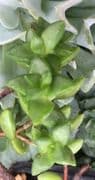
Crassula rupestris
This Crassula's leaves grow in tight square like shapes off the stems, would make a good outdoor plant, house plant of even grow nicely in hanging baskets. Can be planted in partial shade-full sun. Be careful not to over water.
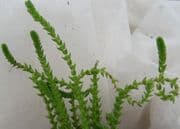
Crassula species muscosa
Crassula species muscosa is a nice decorative plant with green textured stems. When colder than usual, dont water as much as the roots are subjected to rot when wet for long period of time. hardy to zone 9.
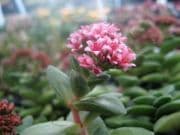
Crassula 'Springtime'
Crassula 'Springtime' has plump leaves that form a pagoda like shape. Pale pink flowers with dark centers. Provide bright light and porous soil. Hardy to 32F.
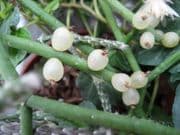
Rhipsalis baccifera
Nicknamed the mistletoe cactus, this plant is epiphytic with long stems that trail down. Grow in light shade to full shade and water freely. Hardy to zone 10.
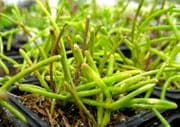
Rhipsalis capilliformis
Also known by the name old mans beard, this Rhipsalis has noticeably thinner cylindrical stems than others of its genus. Grows well in part shade and full shade. Hardy to zone 10.
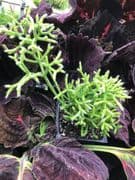
Rhipsalis cereuscula
Rhipsalis cereuscula is a shrubby to bushy succulent epiphyte, to 60 cm long, sometimes referred as 'rice cactus' or 'coral cactus'. It is easily recognizable due to an altitude of tiny, cylindrical stems that are borne at the ends of long slender branches.
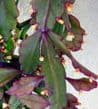
Rhipsalis crispata
Rhipsalis crispata is a Brazilian epiphyte with many small white flowers. It makes the most care free hanging basket if given light and not overwatered.
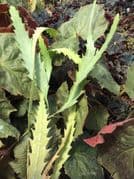
Rhipsalis houlletiana
Rhipsalis houlletiana is a cactus native to South America. Also known as the Snowdrop Cactus, for its small cream colored blooms. This cactus does not enjoy bright sunlight so filtered light is best for healthy growth.
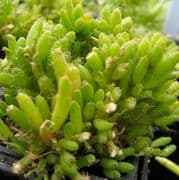
Rhipsalis mesembryanthemoides
Mesembryanthemoides is the only rhipsalis with tightly packed small branches. Water regularly and give shade. Hardy to zone 10.
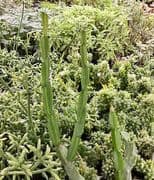
Rhipsalis Paradoxa
Rhipsalis Paradoxa has chained succulent leaves. Grows in long drapes over a planter and makes a unique hanging basket.
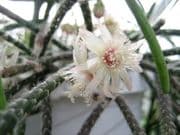
Rhipsalis pilocarpa
Naturally an epiphyte, the stems of pilocarpa are covered in tiny hairs and is unique of its kind. It blooms beautiful white flowers that have a pinkish tinge in sunlight.
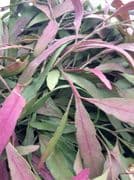
Rhipsalis ramulosa
Rhipsalis ramulosa is a South American epiphyte with many small white flowers. They are followed by pretty berries. It makes the most care-free hanging basket if given light and not overwatered.
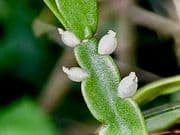
Rhipsalis rauhiorum
Rhipsalis rauhiorum is a rare epiphyte, native to a small portion of Ecuador. this cactus has small attractive white flowers on a narrow flat leaf. Best grown in dry soil, with bright indirect sunlight.
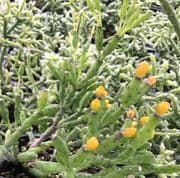
Rhipsalis Salicornoides
Rhipsalis Salicornoides succulent grows erect in slender leaves and blooms small yellow-orange flowers.
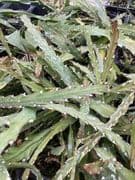
Rhipsalis Species Unknown
Rhipsalis Species Unknown is a spreading cacti best grown in dry soil with bright, indirect sunlight.
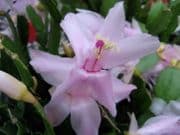
Schlumbergera 'Angel Wings'
The light pink flower of this Christmas Cactus appears from fall through winter. It is hardy to zone 9, therefore should be kept inside as a houseplant.
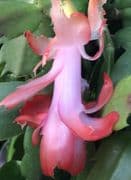
Schlumbergera Beach Dancer
Blooming a pink color come winter, this houseplant is easy to care for. Just set it in an area with bright indirect light and water when the soil is dry. Water less in fall to encourage blooms.
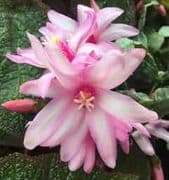
Schlumbergera Blush Pink
The multi-layered petals display a beautiful deep pink on the outside and gradually change to a gentle pastel pink on the interior. Like most holiday cactus, this plant will produce multiple blooms from late fall through spring. In northern climates it should be kept indoors.
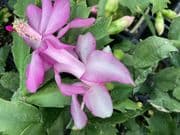
Schlumbergera 'Cherry Parfait'
'Cherry Parfait' has light purple flowers that deepen towrds the petals' edge.
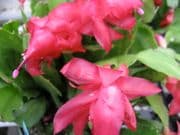
Schlumbergera 'Christmas Candy'
This Holiday Cactus has blooms of bright pink. They appear intermittently in fall threw spring. Be careful no to overwater.
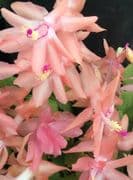
Schlumbergera Christmas Fantasy
This holiday cactus has peach/salmon flowers that arrive intermittently from fall to spring. Be careful not to overwater.
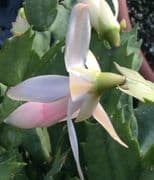
Schlumbergera Creamsicle
Holiday cactus Creamsicle has pale peach flowers intermittently from fall to spring. Be careful not to overwater.
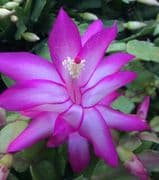
Schlumbergera Cristen
Blooming a gorgeous deep purple color come winter, this houseplant is among many that are easy to care for. Just set in an area with bright indirect light and water when the soil is dry.

Schlumbergera Dark Marie
Dark Marie is called a Christmas cactus because of its bloom time in the winter. Dark Marie, has bright pink blooms with a white center. It would rather be kept on the dry side because when the soil is wet, it tends to rot.
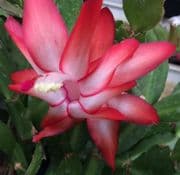
Schlumbergera Exotic Dancer
Exotic Dancer is known as a Christmas cactus, because of its bloomtime in the winter.'Exotic Dancer', has dark pink blooms with a hint of light pink. It grows fairly quickly and would rather be kept on the dry side, because in colder conditions when the soil is wet, it tends to rot.
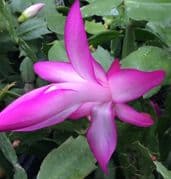
Schlumbergera Jolly Dancer
This plant is known as a Christmas cactus because of its bloomtime in the winter.'Jolly Dancer', has pinkish purple blooms with a hint of light pink. It grows fairly quicvkly and would rather be kept on the dry side.
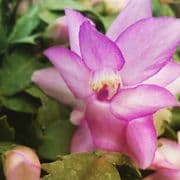
Schlumbergera 'Lavender Best'
Blooming a pinkish lavender color in winter this houseplant is easy to care for. Place in an area with bright indirect light and water when the soil is dry.
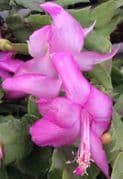
Schlumbergera Lavender Doll
Known as a Christmas cactus because of its bloomtime in the winter 'Lavender Doll', has pinkish lavender blooms with a hint of light pink. It would rather be kept on the dry side.
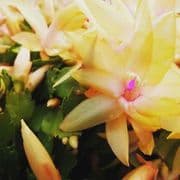
Schlumbergera 'Limelight'
The soft yellow bloom of this Christmas Cactus is a favorite.It has a bloomtime from fall to spring.
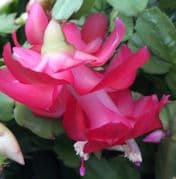
Schlumbergera Madsoline
This plant is known as a Christmas cactus because of its bloomtime in the winter. 'Madsoline' has deep pink blooms. It grows fairly quickly and would rather be kept on the dry side because in colder conditions when the soil is wet it tends to rot.
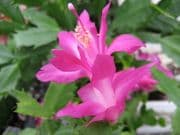
Schlumbergera 'New Years Shocker'
Come New Years, the startling pink flower of this Christmas Cactus will be in full bloom.
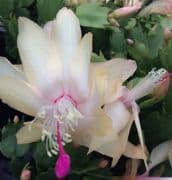
Schlumbergera New Yellow
This plant is known as a Christmas cactus because of its bloomtime in the winter 'New Yellow' has light yellow blooms. It grows fairly quickly and would rather be kept dry.