Hoya Caudata
This variety is currently rooting in our mist chambers. Enter your email to be notified when a freshly rooted batch is ready.
Botanical Quick Growing Specs
Bright Indirect
Moderate (Allow to Dry)
Moderate (45%–60% RH)
Generally Non-Toxic to Pets
Horticultural Description
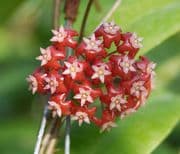
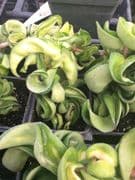
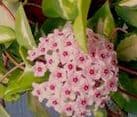
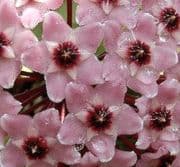
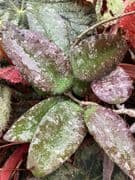
Redish when young but slowly green as they mature, the leaves of the Caudata have a rough texture. The flowers have hairy-edged, light pink petals with pink-red lobes that deepen towards the center. PLEASE NOTE: We have identified the Hoyas to the best of our knowledge, based on our own research and the representations of our suppliers. Hoyas are notoriously difficult to accurately identify. The photo shown is the variety you will get. We will not replace or refund in cases of disputed
“In our Lake Erie greenhouses, this cultivar produces its most vibrant foliage when given consistent morning light and steady warmth. When your order arrives, allow it to settle for 24 hours in indirect light before potting up into fresh, airy potting mix.”
— Jen Webber, Lead HorticulturistFrequently Asked Growing Questions
What light does Hoya Caudata require?▼
Hoya Caudata thrives in Bright Indirect. Direct, harsh midday sun will scorch foliage, while insufficient light leads to leggy stems.
How should I water and manage humidity?▼
Moderate (Allow to Dry). Ambient humidity is best at Moderate (45%–60% RH). Ensure your pot has drainage holes for root aeration.
Is this plant safe for pets?▼
Generally Non-Toxic to Pets. It is non-toxic according to ASPCA standards.